flexible printed circuit manufacturers handle heat resistance
Flexible printed circuit (FPC) manufacturers face unique challenges when it comes to heat resistance, as these circuits are used in a wide variety of applications where temperature fluctuations and heat exposure are common. FPCs are typically made of thin, flexible materials that need to maintain their structural integrity and functionality even in high-temperature environments. To ensure their durability, manufacturers employ a combination of specialized materials, design considerations, and advanced manufacturing techniques.
One of the key factors that determine the heat resistance of an flexible printed circuit manufacturers is the choice of materials. Flexible circuits are often made using polyimide (PI) or polyester (PET) films, which are known for their excellent thermal stability. Polyimide, in particular, is highly resistant to both high and low temperatures, making it ideal for environments where temperature fluctuations are frequent. Manufacturers often select materials based on the specific requirements of the application, considering factors such as the maximum operating temperature, thermal conductivity, and heat exposure duration.
To enhance the heat resistance of FPCs, manufacturers also apply various coatings and treatments to the base materials. For example, some FPCs are coated with a layer of copper or other heat-resistant metals to help dissipate heat more efficiently. This helps to prevent excessive heat buildup, which could lead to damage or malfunction of the circuit. Additionally, special insulating layers can be applied to provide additional thermal protection and minimize the risk of heat-induced degradation.
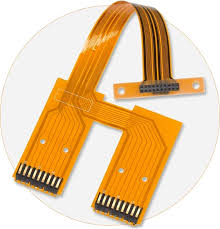
How do flexible printed circuit manufacturers handle heat resistance?
In terms of design, FPC manufacturers focus on optimizing the layout and routing of the circuit to ensure that heat is distributed evenly across the board. This involves placing components and traces in a way that reduces the concentration of heat in any one area. For instance, manufacturers may use larger copper traces in areas where heat is likely to build up, helping to spread the thermal load more evenly. The spacing between components is also critical, as closer placements can trap heat and cause localized hot spots that may lead to failure. Designers must also account for the natural expansion and contraction of materials due to temperature changes, ensuring that the circuit remains flexible and functional even under thermal stress.
Advanced manufacturing techniques such as multi-layer construction and the use of thermal via holes are also employed to improve the heat resistance of FPCs. Multi-layer FPCs, for instance, can incorporate internal layers that act as heat sinks, drawing heat away from sensitive components and distributing it more evenly across the circuit. Thermal via holes are small openings in the circuit board that allow heat to pass through to other layers or dissipate into the surrounding environment. By integrating these features into the design, manufacturers can significantly improve the heat resistance of flexible printed circuits, making them suitable for use in high-temperature environments such as automotive, aerospace, and industrial applications.
Finally, rigorous testing plays a critical role in ensuring that FPCs meet the required heat resistance standards. Manufacturers subject their products to a range of temperature tests, including thermal cycling, high-temperature storage, and thermal shock tests, to assess their performance under extreme conditions. These tests help to identify potential weaknesses and ensure that the FPCs will perform reliably in the field.
In conclusion, flexible printed circuit manufacturers employ a variety of strategies to handle heat resistance, including the selection of appropriate materials, the use of heat-dissipating coatings, careful circuit design, advanced manufacturing techniques, and extensive testing. By combining these methods, they can produce flexible circuits that perform reliably even in challenging thermal environments.


